









January 19, 2026
Off-grid as Infrastructure: SolaX Approach to Residential Energy in Weak-grid Regions
Share my #SolaXStory

Recent global research and market data suggest that off-grid solar systems are moving well beyond a niche response to occasional blackouts. The 2024 Off-Grid Solar Market Trends Report, published by the World Bank’s ESMAP with GOGLA and Dalberg, concludes that off-grid solar remains among the most cost-effective routes to bring first-time electricity access to almost 400 million people by 2030 — while also powering homes, farms, businesses, schools and health facilities.
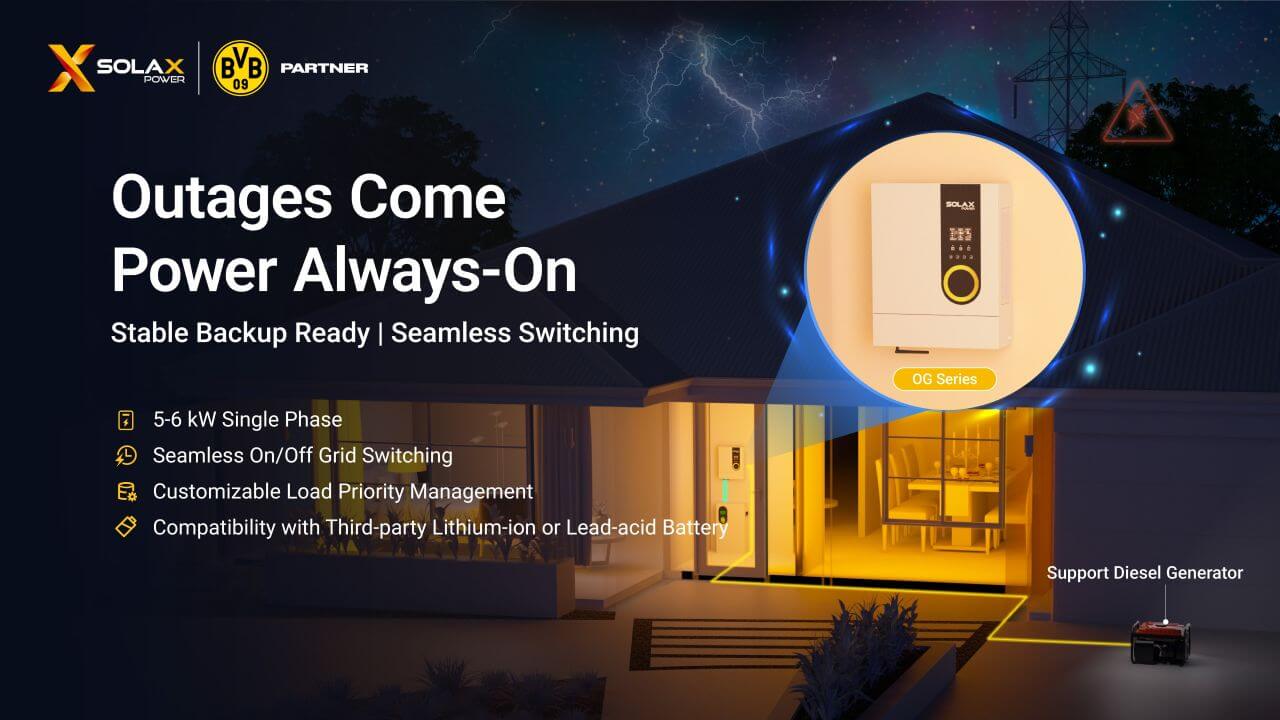
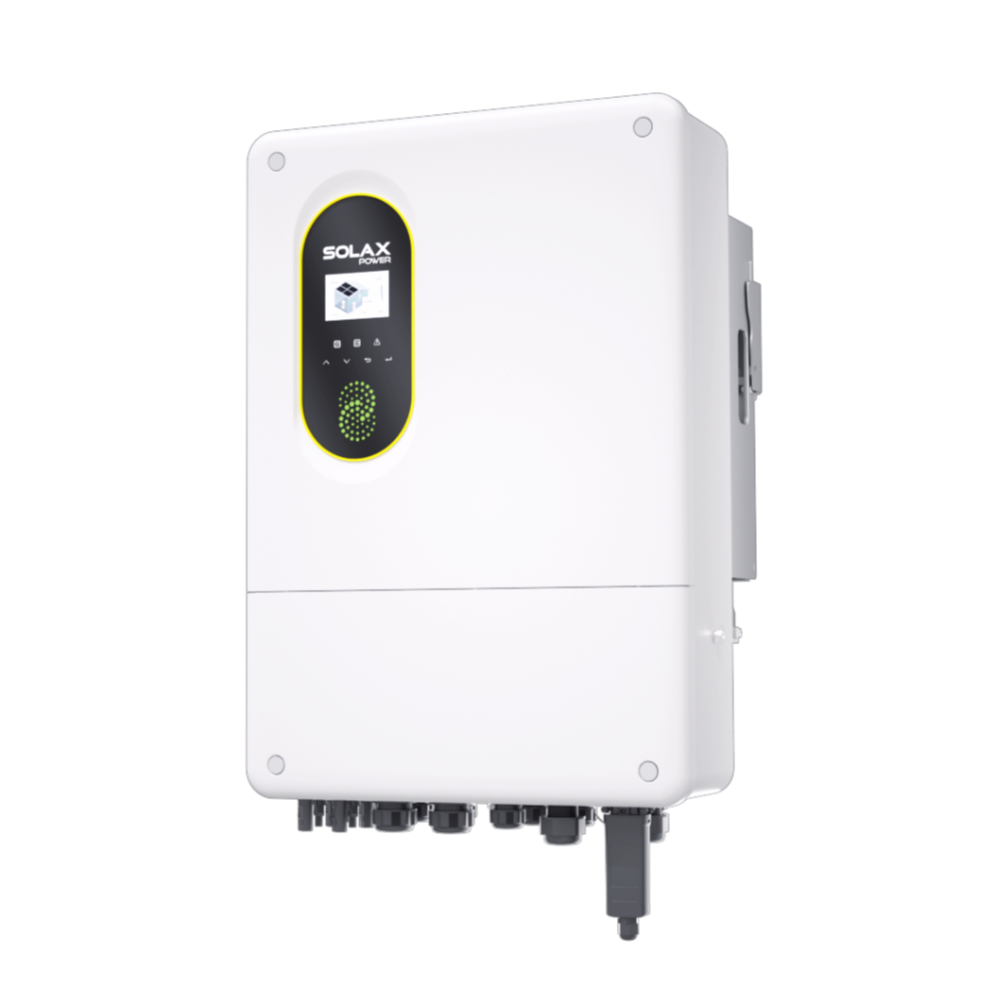
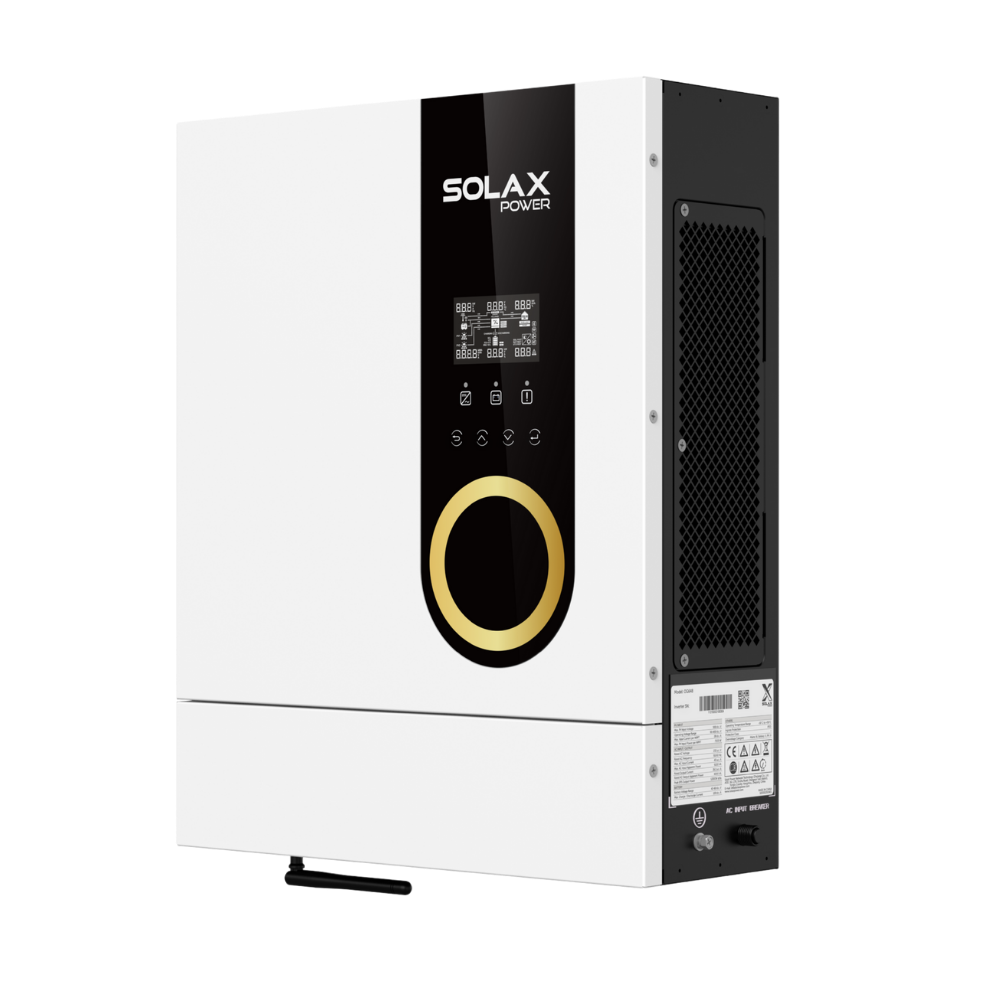
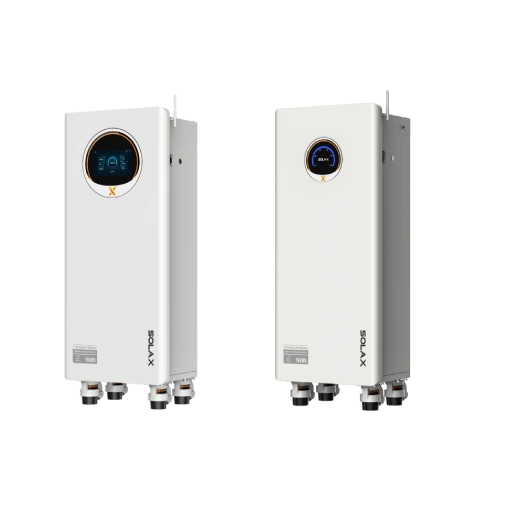
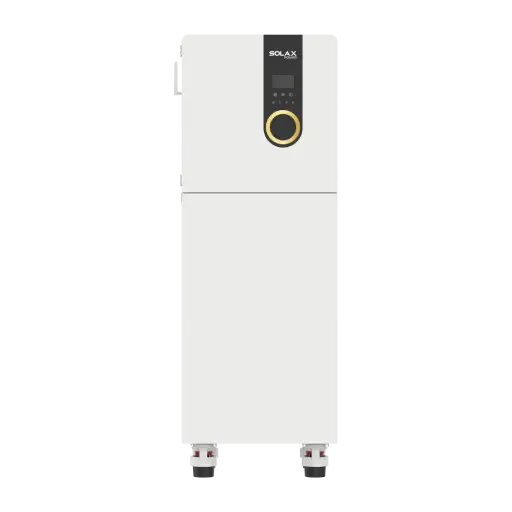
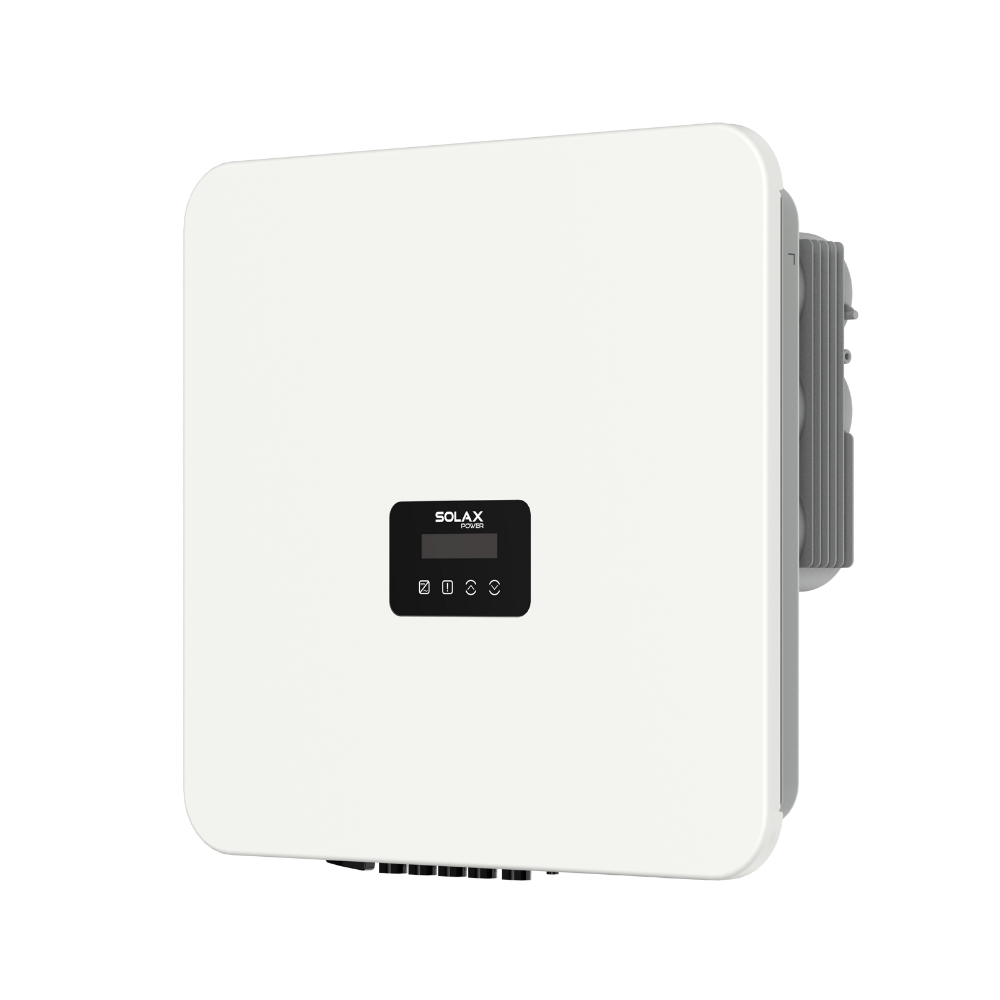
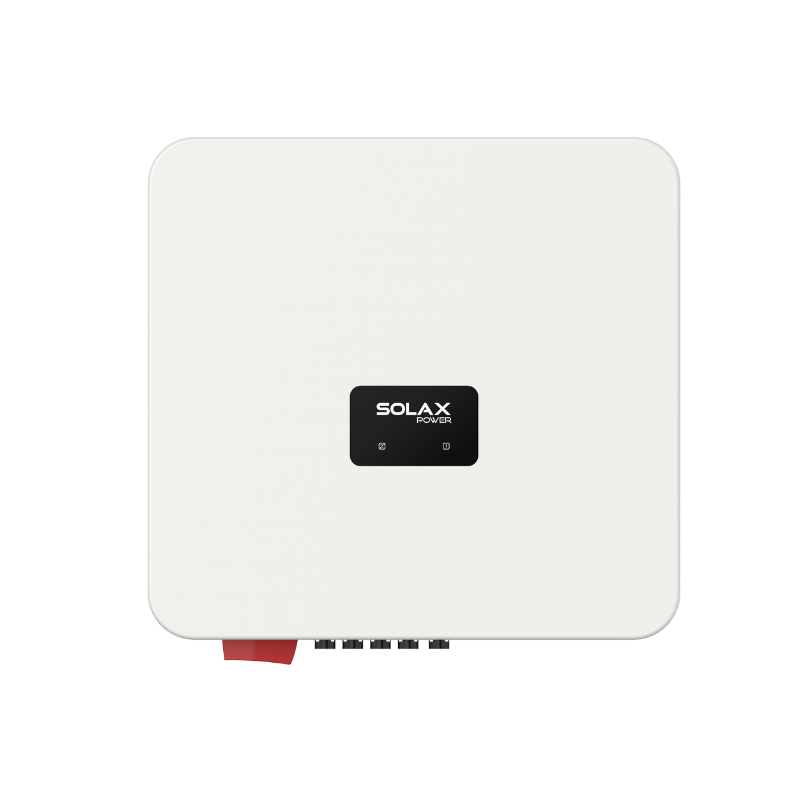
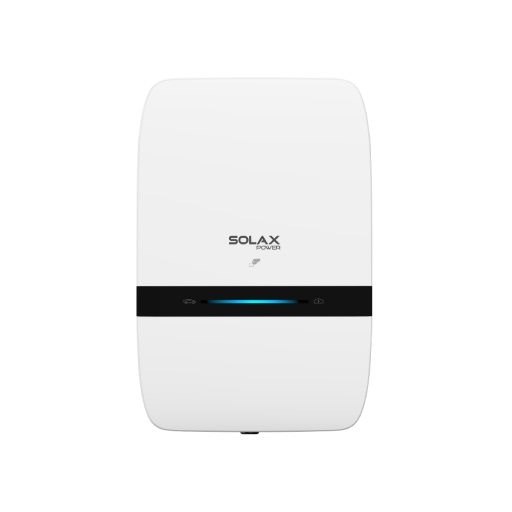
Increasingly, however, off-grid and hybrid systems are being deployed not to replace the grid entirely, but to raise the baseline of reliability where supply remains unstable. Against this backdrop, SolaX introduces the OG Series, an off-grid inverter platform designed to make household resilience practical, scalable and economically realistic across reliability-constrained power environments.
Designed for the realities of weak-grid living
The OG Series is not a grid-tied inverter with emergency backup added as an afterthought, but a purpose-built off-grid inverter platform designed for home solar and battery storage applications in weak-grid environments.
Its intended use cases reflect markets where reliability is variable, from suburban homes to remote properties: suburban homes facing daily outages, rural properties with partial grid access, island communities, small businesses operating from residential premises, and households relying on generators as a primary or secondary power source.
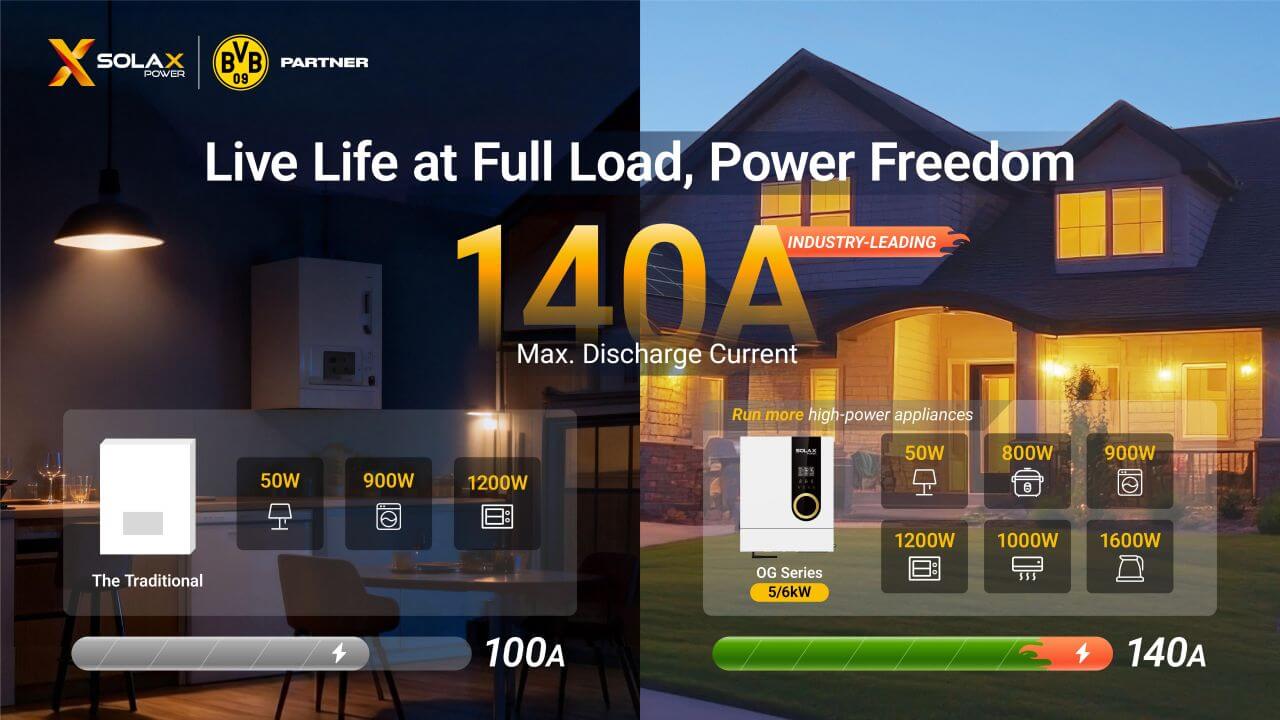
Here, seamless switching is not a premium feature but a necessity. The OG Series delivers transfer speeds up to 2.5 times faster than typical residential systems, ensuring lights, fans, refrigeration and electronic equipment continue operating without interruption when the grid drops out. A high discharge current of up to 140A allows the system to support demanding loads without requiring oversized hardware.
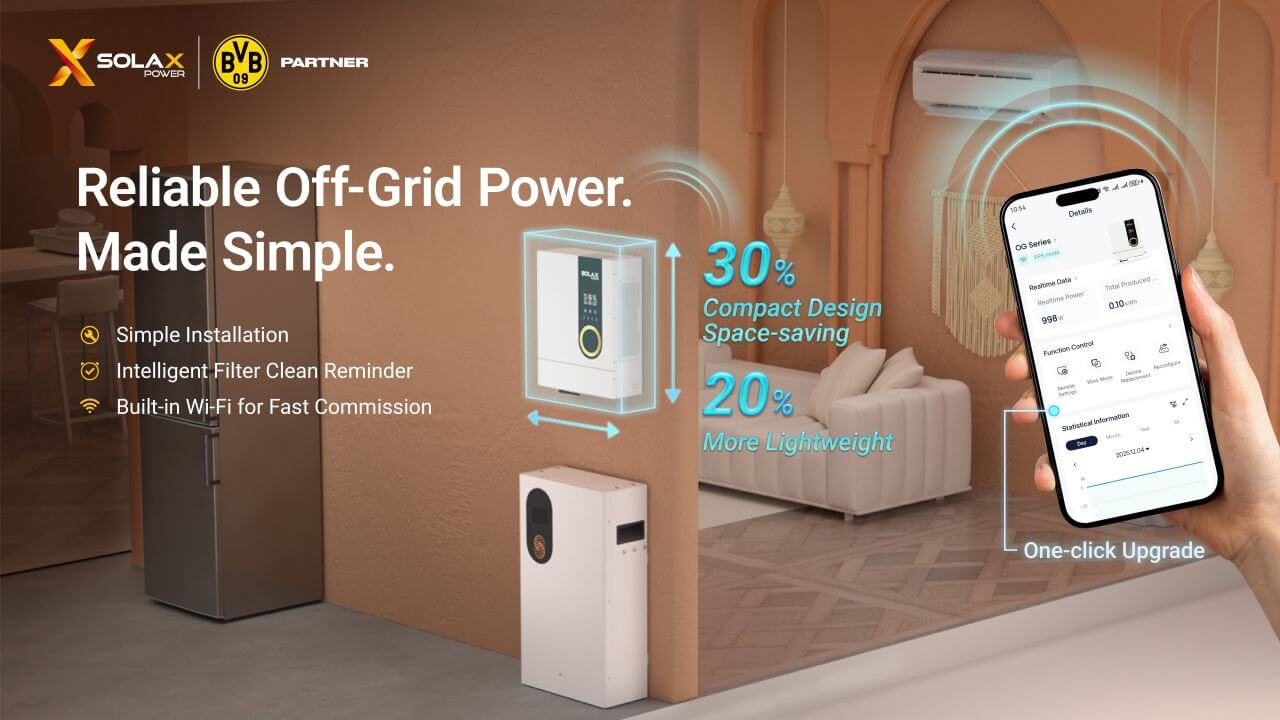
Importantly, these capabilities are delivered in a compact, lightweight design — 30% smaller and 20% lighter than comparable systems — reflecting the spatial and installation constraints common in dense urban and peri-urban environments.
Just as importantly, the OG Series is designed for home battery flexibility, supporting both lithium-ion and lead-acid solutions, with compatibility across more than 20 mainstream third-party battery brands and models, a list that continues to expand.
Stabilizing power before going fully off-grid
For many households, the first step is not going fully off grid, but making the existing power supply more stable. In weak-grid areas, the OG Series works alongside the utility grid, using solar and batteries to smooth power fluctuations and improve overall power quality.
When the grid goes down, for minutes or for hours, the system switches automatically to off-grid operation. This turns off-grid technology from an emergency backup into a daily reliability tool, helping protect home appliances and reduce disruption.
The OG Series can also operate without a battery. In solar-first setups, PV power can directly supply household loads during the day. Batteries can be added later, allowing households to invest step by step, an important factor in price-sensitive markets.
Working with generators, not against them
Diesel and petrol generators remain widely used in many regions, not by choice but by necessity. The OG Series acknowledges this reality through a dedicated GEN port, enabling intelligent generator integration.
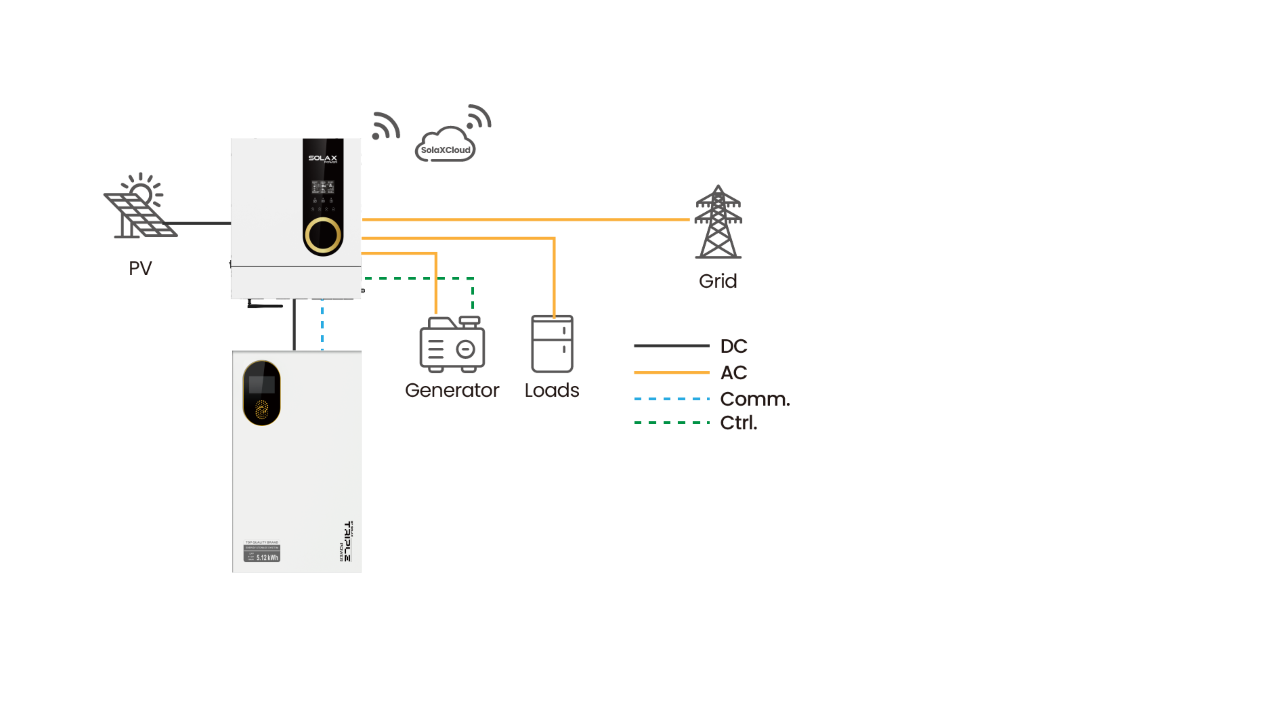
Rather than running continuously, generators are used selectively — supporting the system during extended outages or periods of low solar generation. PV and storage take priority whenever possible, reducing fuel consumption, noise and operating costs.
The same interface can also be used for smart load control, allowing households to prioritise essential circuits while directing surplus solar energy to discretionary loads. This approach avoids unnecessary system oversizing and maximizes the value of installed PV capacity.
Systems that grow with households
Energy demand in emerging markets is rarely static. As incomes rise, households add appliances, cooling systems and, increasingly, electric mobility. The OG Series is designed to accommodate this growth through parallel operation and scalable system architecture.
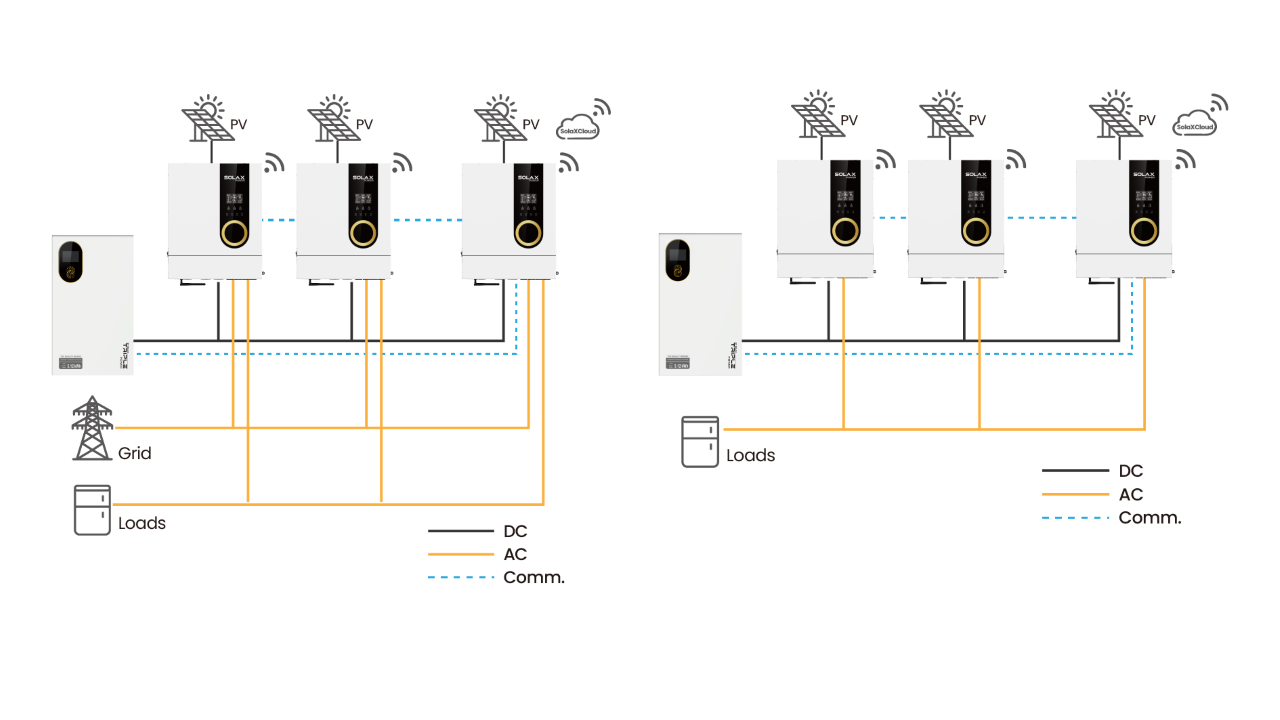
Multiple inverters can be deployed in parallel for higher capacity, while three-phase configurations support larger homes, mixed-use buildings and light commercial applications. Expansion does not require system redesign — only incremental investment as needs evolve.
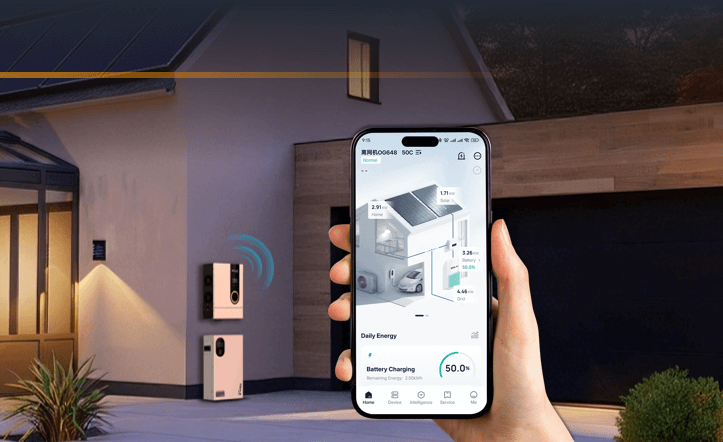
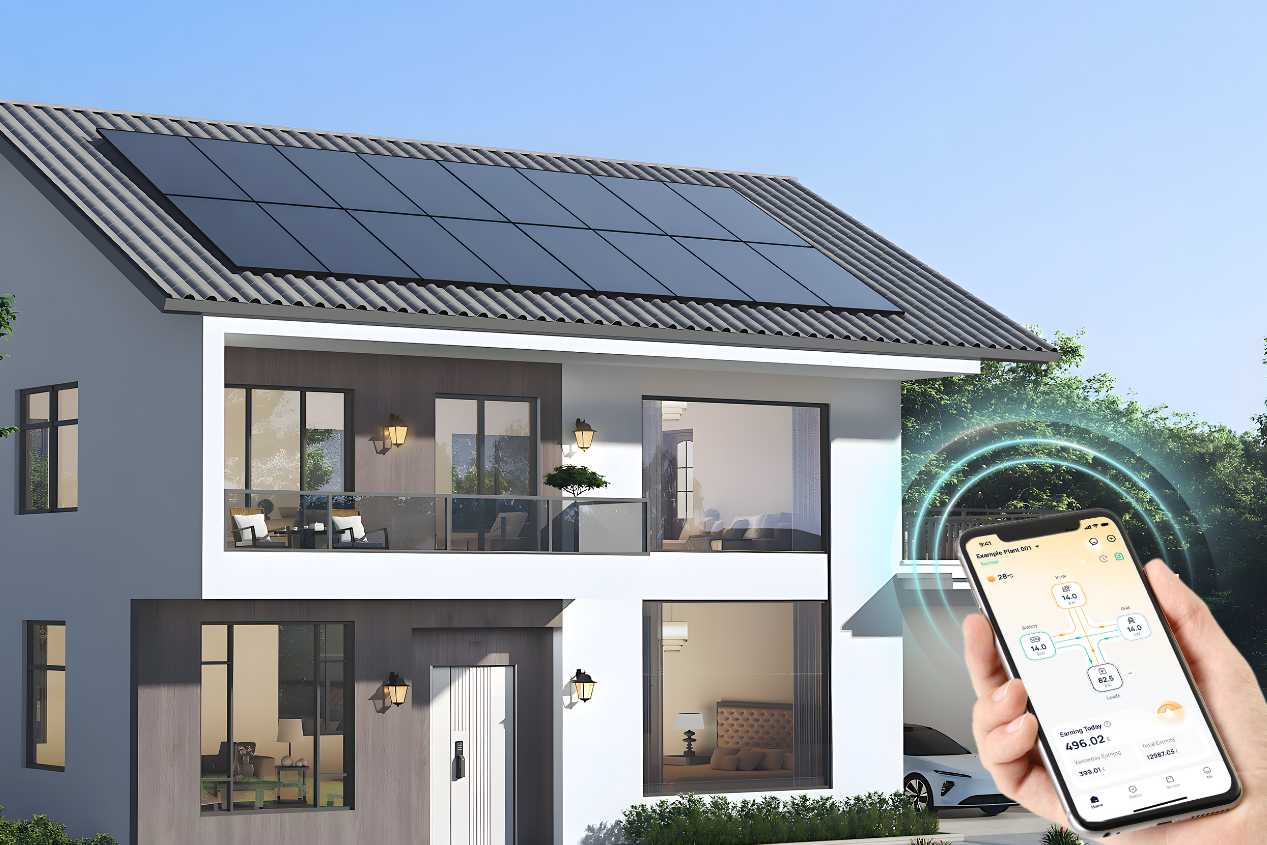
System control and visibility are managed through the SolaXCloud platform, giving installers and homeowners real-time performance data on a mobile phone, from PV generation and battery status to household consumption and load behaviour. In other words, the system is not only resilient, but legible: what the home is using, and when, is always in view.
Reliability as a baseline, not a headline
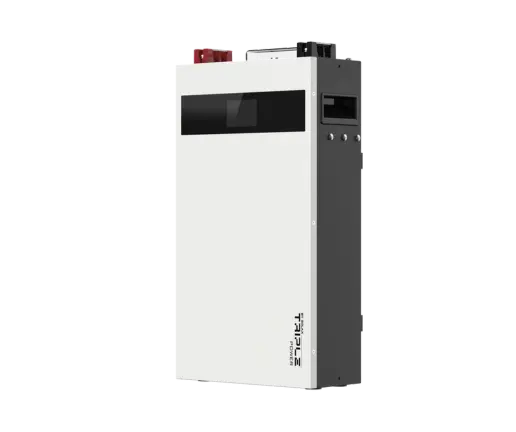
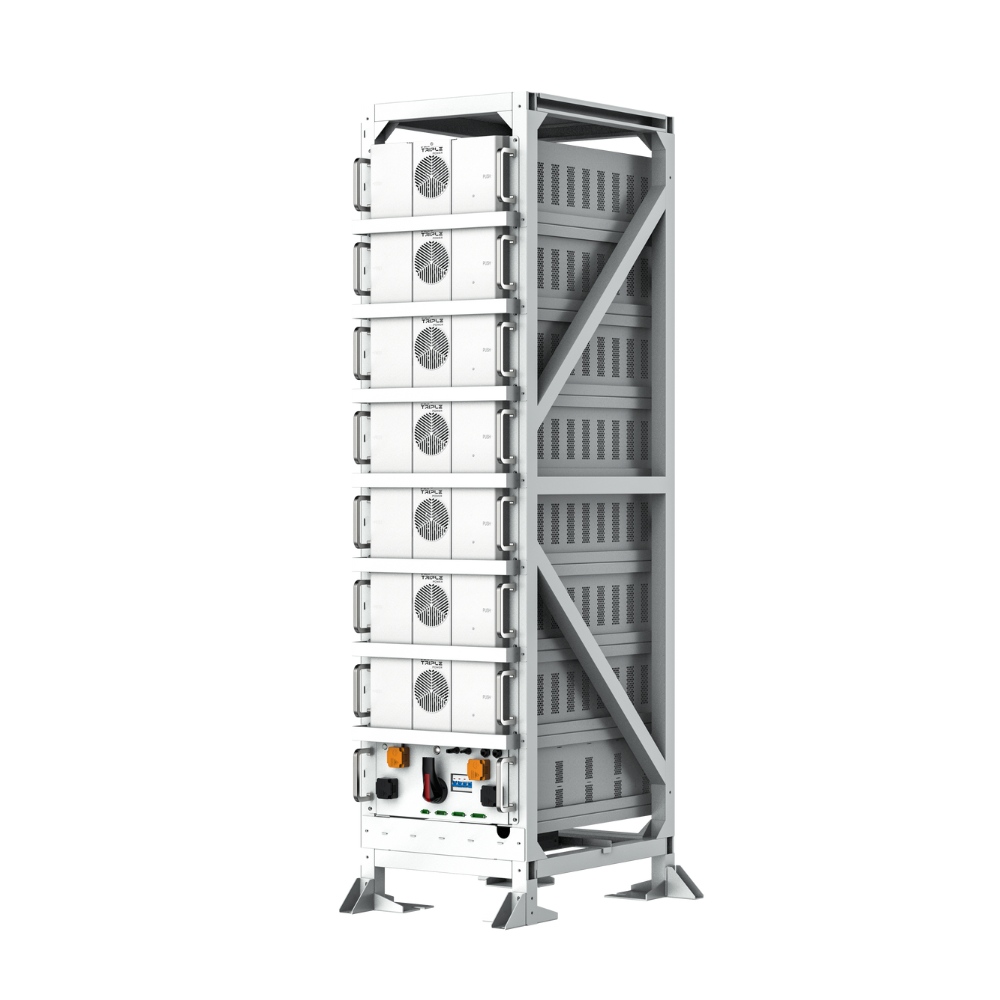
Safety and durability are critical in off-grid environments, where maintenance is limited and system failure has real consequences. The OG Series is designed with protection built in from the start. The OG Series is designed to work best with SolaX’s own battery solutions. The currently available 6 kWh battery is equipped with an aerosol fire suppression system, providing an added layer of protection from day one. Additional fire protection solutions are already in development and will be introduced progressively as part of the system roadmap.
Off-grid as infrastructure, not exception
In many markets, off-grid solar energy is not a lifestyle choice. It is basic infrastructure. The OG Series uses a modular system design, allowing households to start small and expand capacity over time based on real energy needs.
Alongside this, flexible payment structures and the gradual introduction of leasing models are designed to ease the financial burden for SolaX partners. These approaches not only lower barriers to entry, but also strengthen long-term engagement between providers and users, aligning product delivery more closely with evolving market demand. Together, they reflect a wider industry shift, in which scalable, customer-oriented off-grid solutions are increasingly shaped by accessibility and practical deployment, rather than one-size-fits-all ownership models.
FAQ
Table of Contents
Last News
Explore expert insights, practical guides, and the latest news on SolaX Power.

To the Latest Newsletter
Stay Ahead with the Latest SolaX Updates!
Subscribe
I have read and agree to Privacy Policy and User Terms