









May 28, 2026
SolaX ORI Energy Storage System Completes Large-Scale Fire Test Under Extreme Conditions
Share my #SolaXStory

Energy storage safety is increasingly being assessed not by individual component performance alone, but by how a complete system behaves under severe and credible fault conditions.
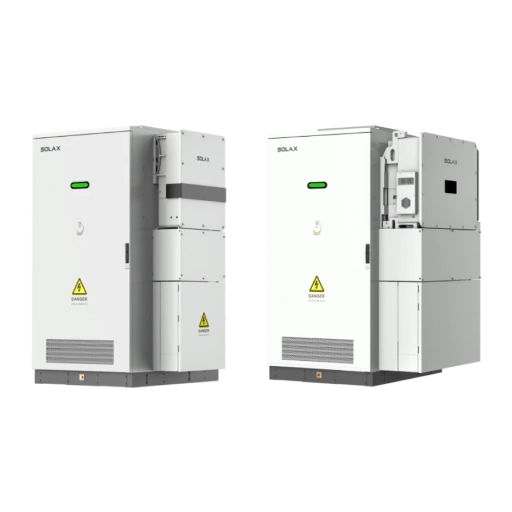
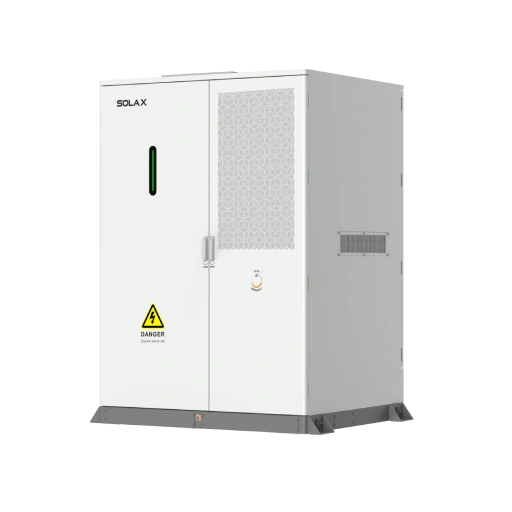
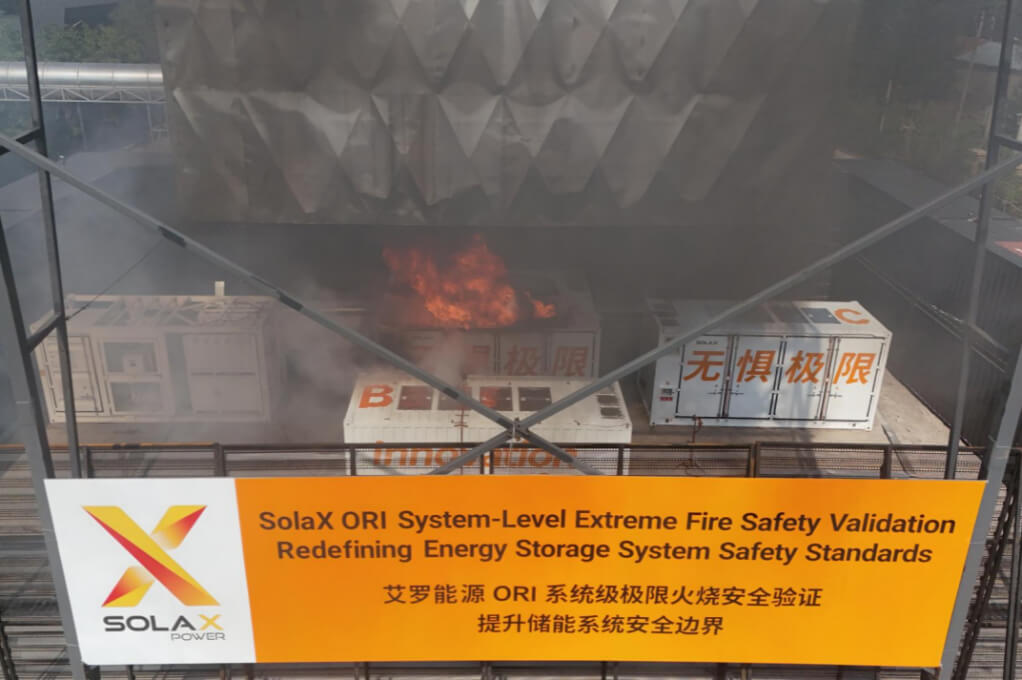
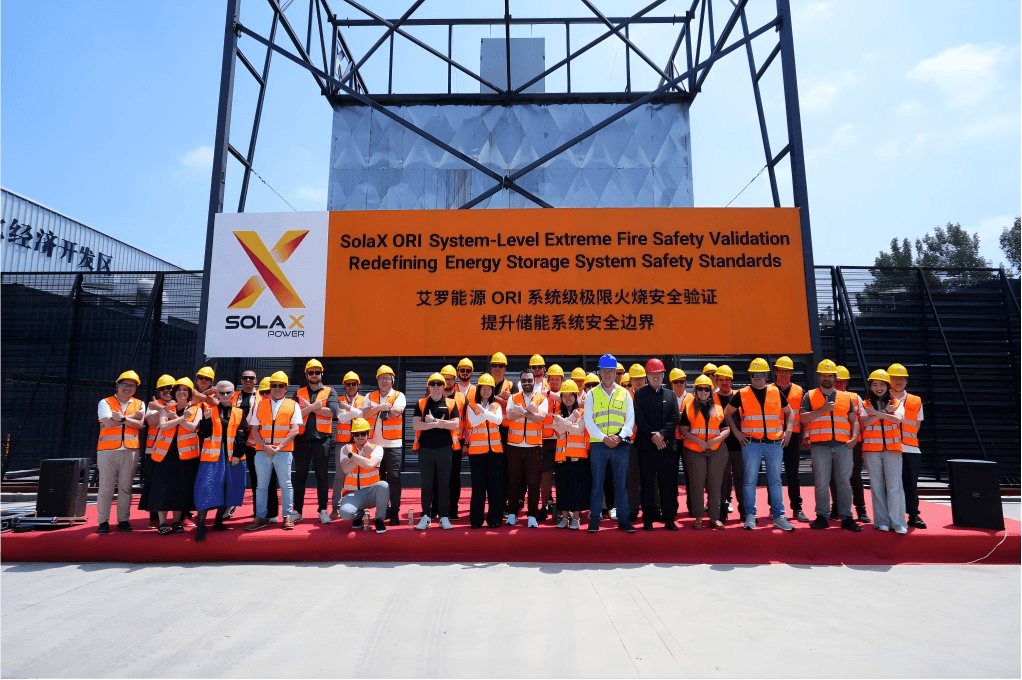
On 21st May 2026, SolaX completed a system-level extreme fire test on its ORI large-scale energy storage system, performed by UL Solutions, witnessed by Atar Fire. The test was designed to reflect real energy storage site layout and to evaluate the system's ability to limit fire propagation, isolate risk and maintain key system functions during an extreme fire scenario.
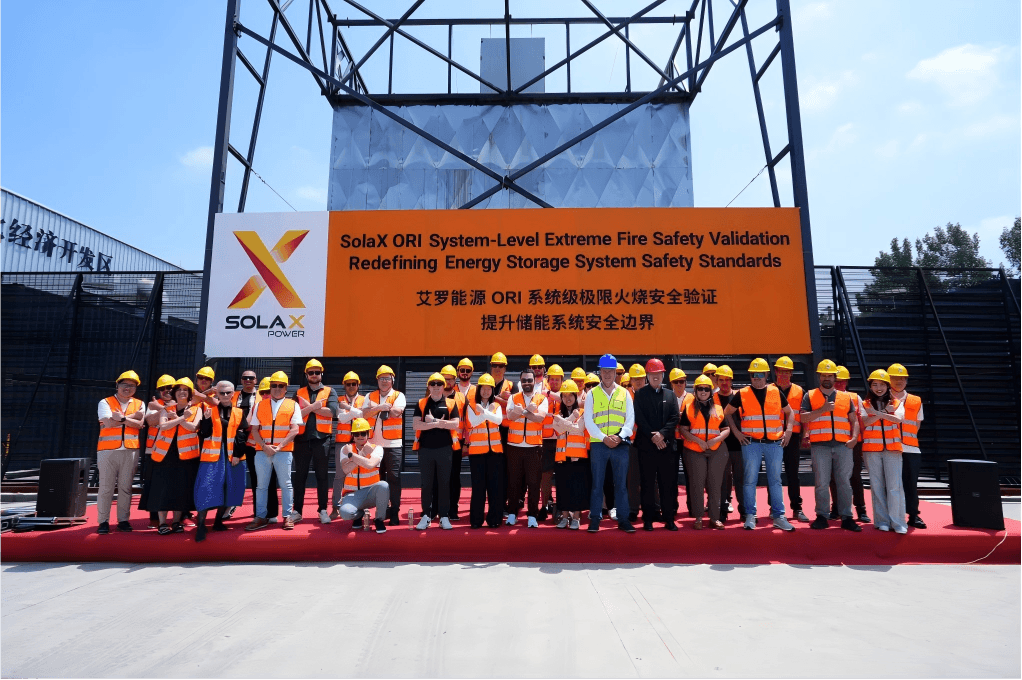
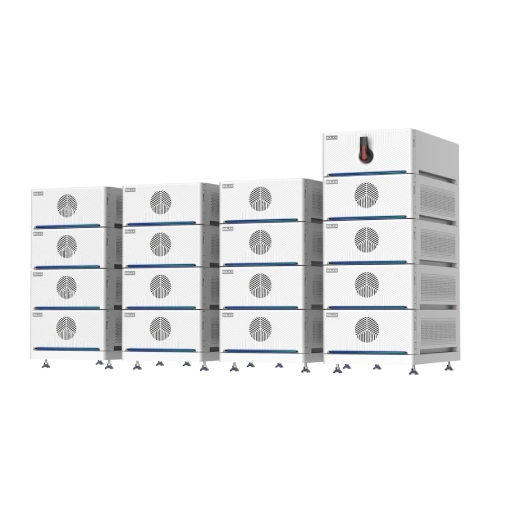
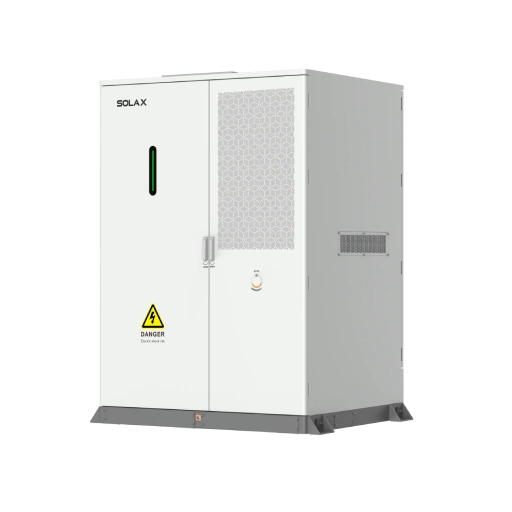
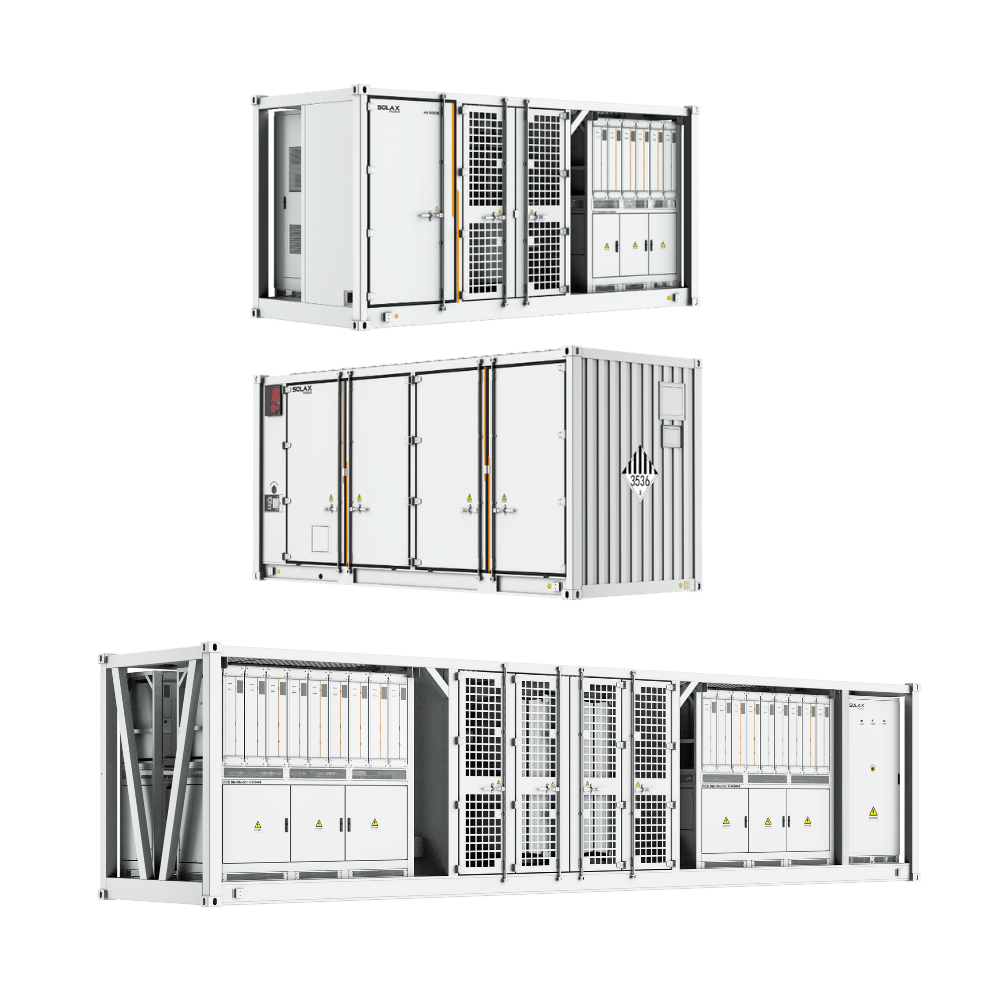
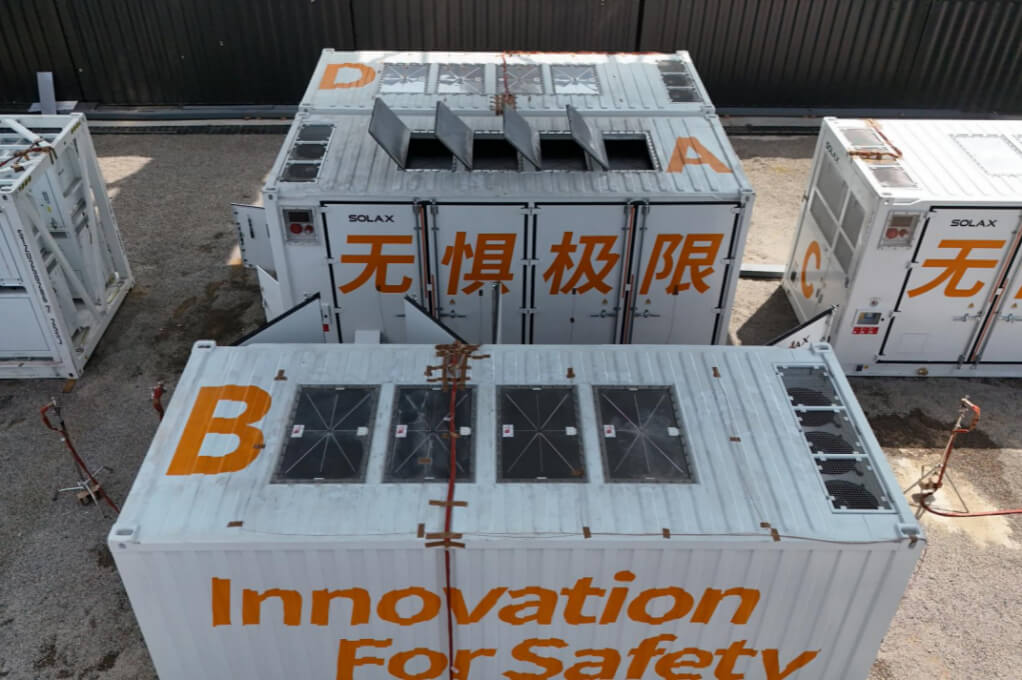
The test configuration consisted of 4sets of DC battery containers and 1set of PCS&Transformer station, creating a multi-unit layout closer to a real large-scale energy storage installation. Unlike single-container or component-level tests, this system-level setup assessed how battery containers, power conversion equipment, communication systems, cabling and structural protection measures perform together under abnormal conditions.
For energy storage owners, developers and investors, this distinction matters. A fire event is not only a product safety issue. It can also affect plant availability, insurance assessment, asset protection, emergency response planning and long-term project bankability. As deployment of large-scale energy storage accelerates across global markets, system-level validation is becoming an increasingly important reference point for project stakeholders.
The test covered the fire development process following the initiating event, including fire growth, development and extinguishment. It focused on several key safety indicators commonly reviewed in large-scale energy storage fire propagation assessments, including thermal runaway propagation, temperature rise in adjacent containers, structural integrity, cable fire risk, BMS communication continuity and fire alarm system response.
Key observations and measurement points are summarized below.
Key indicator | Result / Observation |
Thermal runaway propagation to adjacent containers | Not observed |
Fire spread to adjacent battery containers | Not observed |
Fire spread to AC/PCS container | Not observed |
Maximum temperature of the initiating container | 1,371.6 °C |
Maximum instantaneous cell temperature of target container B | 69.6 °C |
Maximum instantaneous cell temperature of target container C | 36.9 °C |
Maximum instantaneous cell temperature of target container D | 69.9 °C |
Cell availability of target containers | 100% |
Maximum surface temperature of the AC/PCS container | 211 °C |
Fire spread to AC container | Not observed |
Electrical components inside the initiating container's electrical compartment | Intact after the test |
Inter-container cable combustion risk | Not observed |
Fire escalation risk | Not identified |
BMS communication in initiating container | Maintained operation until power cut-off |
Fire alarm system in the initiating container | Maintained operation until firefighting system burnout |
BMS communication systems in target containers | Normal throughout the test |
Structural integrity of the initiating container | Maintained; no collapse observed |
The results indicate that the ORI system's compartmentalization design, thermal isolation strategy, cable protection and system-level safety architecture were effective in limiting risk under the tested conditions.
"Energy storage safety must be proven at system level, not only at component level," said Andrey Yang, Head of Global Large-Scale Energy Storage Sales of SolaX. "For customers, the real question is how the system behaves when exposed to extreme conditions. This test gives project stakeholders a clearer view of ORI's fire isolation capability, structural resilience and system-level safety performance."
The test involved full-scale equipment, a dedicated test site, monitoring systems and third-party witnessing, providing a high level of scenario realism and technical credibility. For SolaX, the exercise forms part of its broader approach to integrating safety validation into product development, system design and long-term operational support.
As large-scale energy storage becomes a critical part of renewable energy infrastructure, customers are placing greater emphasis on fire safety, operational resilience and full lifecycle asset value. SolaX said it will continue to advance the ORI energy storage platform through rigorous testing, system-level engineering and continuous product improvement.
Table of Contents
Last News
Explore expert insights, practical guides, and the latest news on SolaX Power.


To the Latest Newsletter
Stay Ahead with the Latest SolaX Updates!
Subscribe
I have read and agree to Privacy Policy and User Terms